Milk has been part of the human diet for centuries now due to its numerous nutritional contents that help in ensuring healthy muscles, bones, and general well-being. There has however been a continuous controversy in the area of choice between raw milk vs pasteurized milk for many decades now among the consumers, farmers, nutritionists, and health care providers. Some people claim that raw milk is more nutritious than unpasteurized milk while others have a liking for pasteurized milk.
It is crucial to understand the difference between these two forms of milk before choosing either one for yourself or your loved ones. In addition, many individuals often wonder whether raw milk good for you and whether is raw milk safe, given the increasing interest in natural and organic food products. The fact of the matter is that there are both pros and cons associated with both forms of milk, but understanding the differences will enable you to make a more informed choice.
99 Business Vyapar Industries is of the opinion that the process of education regarding advanced technologies used in the production of milk is as equally important as the development of superior quality dairy processing equipment. Here you will find all of the information related to the differences between raw milk vs pasteurized milk..
What is Raw Milk?
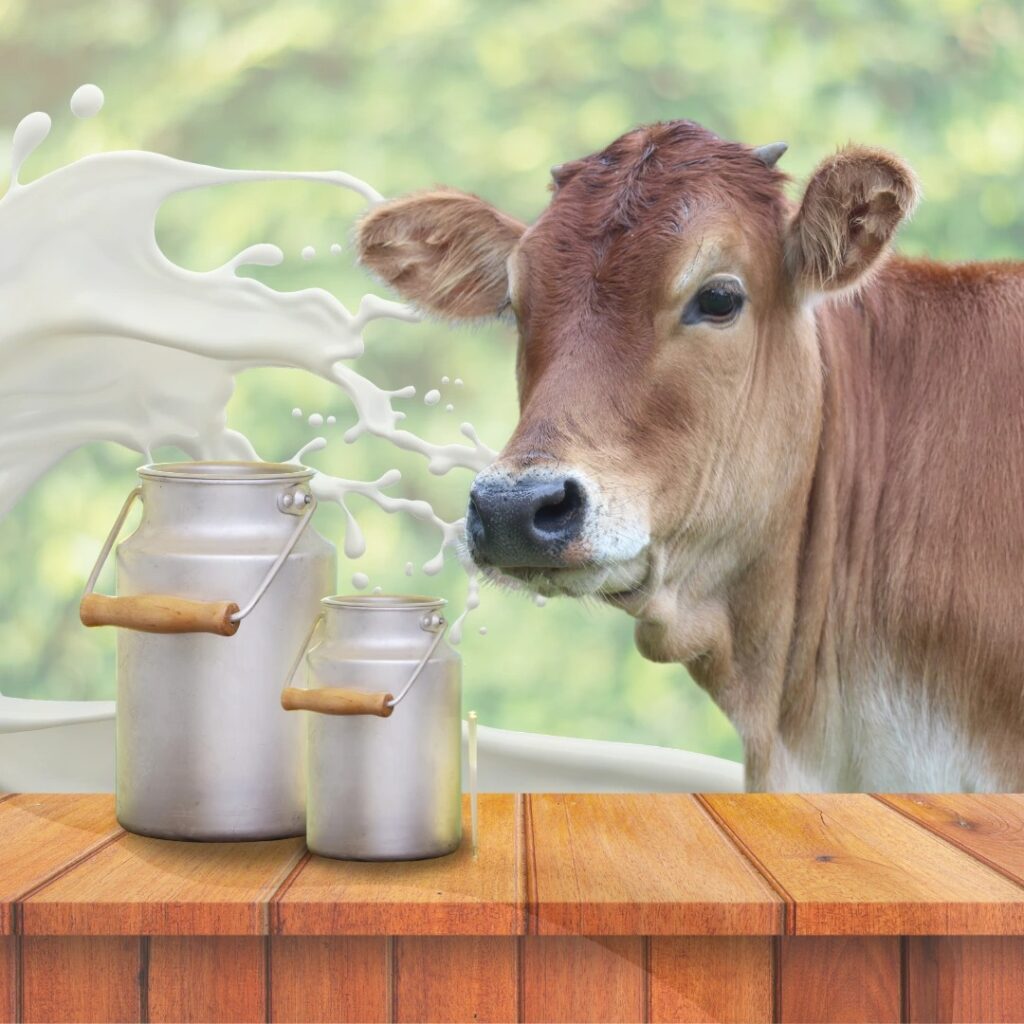
Unpasteurized milk, also referred to as raw milk, is the milk obtained straight from the udders of healthy cows, buffaloes, goats, and other dairy animals without going through the process of pasteurization. In contrast with pasteurized milk, the raw one is not subjected to heat treatment that destroys pathogens.
As the processing of unpasteurized milk is minimal, it is believed by many advocates that it still contains many naturally occurring enzymes, probiotics, vitamins, and bacteria. Such a belief can make someone wonder is raw milk good for you. Although raw milk indeed has many naturally occurring substances, it might contain pathogenic bacteria that are impossible to notice or smell.
That is why it is recommended to learn about the pros and cons of consuming raw milk before making a decision.
What is Pasteurized Milk?
Pasteurized milk refers to milk that is treated by heating it to an exact temperature for a particular time and then cooling it quickly. The pasteurization process eliminates all dangerous microorganisms present in the milk without compromising its nutritional value and quality.
Pasteurization technology was invented by French microbiologist Louis Pasteur and has become one of the most useful food safety technologies in the milk industry. In modern times, practically all dairies apply pasteurization in order to provide their clients with safe, hygienic and high-quality milk.
As opposed to raw milk, pasteurized milk lowers the chances of developing diseases caused by Salmonella, Listeria monocytogenes, E. coli and Campylobacter. This is one of the primary reasons why health institutions worldwide recommend unpasteurized milk to children, pregnant women, seniors and immunocompromised people.
Raw Milk vs Pasteurized Milk: Understanding the Difference
The discussion about raw milk vs pasteurized milk is not simply about taste—it involves food safety, nutrition, storage, and overall health.
Production Process
The biggest difference in raw milk vs pasteurized milk is the processing method. Raw milk is collected and stored without heat treatment, whereas pasteurized milk undergoes controlled heating to destroy harmful microorganisms before reaching consumers.
Food Safety
When comparing raw milk vs pasteurized milk, safety is one of the most significant factors. Pasteurized milk is considered much safer because it eliminates many disease-causing bacteria that may naturally be present in raw milk.
Shelf Life
Another important difference in raw milk vs pasteurized milk is storage life. Pasteurized milk generally remains fresh for a longer period when refrigerated, while unpasteurized milk spoils more quickly because bacteria continue to multiply during storage.
Taste
Some consumers believe unpasteurized milk has a richer, creamier, and more natural flavor. Others prefer the clean and consistent taste of pasteurized milk because it offers better quality control.
Availability
In many countries, the sale of unpasteurized milk is restricted or regulated due to food safety concerns. In contrast, pasteurized milk is widely available through supermarkets, dairy cooperatives, and milk processing plants.
Is Raw Milk Safe?
One of the most frequently asked questions in relation to milk safety is is raw milk safe. Several factors determine whether or not raw milk is safe for consumption including health of dairy animals, hygiene on farms, milk handling procedures, and storage conditions.
Even healthy dairy animals might be carriers of various pathogens without developing disease. When an animal is being milked, the pathogens may get into the milk either from the body of the animal, equipment used during milking process, environment, or storage containers. Since raw milk has not undergone any heat treatment procedure, all those pathogens will survive and potentially grow during storage period.
Health organizations in many countries suggest to avoid using unpasteurized milk since it may be contaminated with pathogens causing food poisoning. Children, pregnant women, elderly people, and people with weak immune system are especially susceptible to such infections.
Despite this, some people still ask is raw milk safe. Scientific researches prove that pasteurization is still the best way of minimizing microbial dangers while maintaining quality of the product.
Is Raw Milk Good for You?
One of the commonly sought answers online is is raw milk good for you. The proponents of raw milk argue that there is more natural presence of enzymes, good bacteria, and some vitamins in raw milk, since it has not undergone any heating process.
Indeed, while there is some amount of naturally present nutrients in unpasteurized milk, scientific research shows that there is very little effect of pasteurization on the nutritional content of milk. Nutrients such as proteins, calcium, phosphorus, potassium, and almost all the vitamins are found in pasteurized milk.
When one wonders is raw milk good for you, he needs to consider both the positive and negative aspects. For the most part, it is always better for people, including families with children, to drink pasteurized milk.
Why Most Dairy Industries Prefer Pasteurized Milk
Modern dairy businesses prioritize product quality, hygiene, and consumer safety. For this reason, commercial milk processing plants around the world rely on pasteurized milk rather than unpasteurized milk.
Pasteurization not only improves food safety but also increases shelf life, supports large-scale distribution, maintains consistent product quality, and helps dairy companies comply with national food safety regulations. These advantages make pasteurized milk the preferred choice for commercial dairy production and retail markets.
Difference Between Raw Milk vs Pasteurized Milk
| Basis | Raw Milk | Pasteurized Milk |
|---|---|---|
| Processing | Not heat-treated; sold as unpasteurized milk | Heated to kill harmful bacteria |
| Safety | Higher risk of bacteria; people often ask is raw milk safe | Safer for regular consumption |
| Shelf Life | Short shelf life; spoils quickly | Longer shelf life under refrigeration |
| Nutritional Stability | Nutrients may vary depending on handling | Nutrients remain consistent and stable |
| Health Recommendation | Not advised for children, pregnant women, or elderly | Recommended for all age groups |
Nutritional Comparison: Raw Milk vs Pasteurized Milk
When discussing raw milk vs pasteurized milk, nutrition is one of the most debated topics. Many people believe that unpasteurized milk contains significantly more nutrients because it has not been heated. However, scientific research shows that while pasteurization may slightly reduce certain heat-sensitive vitamins, the overall nutritional value remains nearly the same.
Both pasteurized milk and raw milk are excellent sources of:
- High-quality protein
- Calcium
- Phosphorus
- Potassium
- Vitamin B12
- Riboflavin
- Healthy fats
- Essential amino acids
The primary difference lies in food safety rather than nutrition. For most healthy individuals, pasteurized milk provides nearly the same nutritional benefits while offering much greater protection against harmful bacteria.
Benefits of Pasteurized Milk
Modern dairy industries recommend pasteurized milk because it combines nutrition with safety and convenience.
1. Safer for Daily Consumption
Pasteurization destroys harmful bacteria that may be present in raw milk, making it much safer for regular consumption.
2. Longer Shelf Life
Compared to unpasteurized-milk, pasteurized-milk remains fresh for a longer period when stored under refrigeration.
3. Better Quality Control
Commercial dairy plants carefully monitor temperature, hygiene, and packaging to maintain consistent quality.
4. Preserves Essential Nutrients
Most proteins, minerals, calcium, and vitamins remain intact after pasteurization, making pasteurized-milk a nutritious choice.
5. Suitable for Families
Children, pregnant women, elderly individuals, and people with weakened immune systems are generally advised to consume pasteurized-milk because of its higher safety standards.
Risks of Unpasteurized-Milk
Although some consumers prefer unpasteurized-milk, it is important to understand the possible health risks associated with consuming it.
Raw milk may contain harmful microorganisms, including:
- Salmonella
- Listeria monocytogenes
- Escherichia coli (E. coli)
- Campylobacter
- Brucella
These bacteria can cause foodborne illnesses ranging from mild stomach discomfort to severe infections requiring medical treatment.
This is why many consumers search online for is raw milk safe before purchasing raw dairy products. While proper farm hygiene can reduce contamination risks, it cannot guarantee that unpasteurized-milk is completely free from harmful bacteria.
Who Should Avoid Raw Milk?
Although some healthy adults choose raw milk, healthcare experts generally recommend avoiding unpasteurized-milk for people who are more vulnerable to infections.
These include:
- Infants and young children
- Pregnant women
- Older adults
- People with weakened immune systems
- Individuals undergoing medical treatment
- Patients recovering from serious illnesses
For these groups, pasteurized-milk remains the safest option because it significantly reduces the risk of bacterial contamination.
Common Myths About Raw Milk
Myth 1: Raw Milk Contains More Nutrition
Many people believe is raw milk good for you because it supposedly contains far more nutrients than pasteurized-milk.
Fact: Scientific studies show that pasteurization has very little impact on the overall nutritional value of milk.
Myth 2: Raw Milk Cannot Contain Harmful Bacteria
Some consumers assume milk from healthy animals is always safe.
Fact: Even healthy animals can carry disease-causing microorganisms without showing symptoms.
Myth 3: Pasteurization Removes All Nutrients
This misconception often appears during discussions about raw milk vs pasteurized-milk.
Fact: Pasteurization mainly destroys harmful bacteria while preserving most proteins, minerals, calcium, and vitamins.
Myth 4: Raw Milk Always Tastes Better
Taste preferences vary from person to person. Some people enjoy the richer flavor of unpasteurized-milk, while others prefer the consistent taste and quality of pasteurized-milk.
Which Milk Should You Choose?
Choosing between raw milk vs pasteurized-milk depends on your priorities.
If your priority is maximum food safety, consistent quality, longer shelf life, and reduced health risks, pasteurized-milk is generally the better choice.
If you are considering unpasteurized-milk, it is important to understand both its potential nutritional benefits and the possible microbial risks. Before making raw milk a regular part of your diet, consult a healthcare professional—especially if you belong to a high-risk group.
Frequently Asked Questions (FAQs)
1. What is the difference between raw milk and pasteurized-milk?
The main difference in raw milk vs pasteurized-milk is that raw milk has not been heat-treated, while pasteurized-milk is heated to destroy harmful bacteria before consumption.
2. Is raw milk safe to drink?
Many people ask is raw milk safe. Although some healthy adults consume it, health organizations generally recommend pasteurized-milk because it significantly reduces the risk of foodborne illnesses.
3. Is raw milk good for you?
People often search is raw milk good for you because of claims about natural nutrients. While raw milk does contain beneficial nutrients, pasteurized-milk offers nearly the same nutritional value with much greater safety.
4. Why do dairy industries prefer pasteurized-milk?
Commercial dairy plants choose pasteurized-milk because it provides better food safety, longer shelf life, improved quality control, and compliance with food safety regulations.
5. Can children drink unpasteurized-milk?
Healthcare experts generally do not recommend unpasteurized-milk for children because they are more vulnerable to harmful bacteria.
Conclusion
The dispute on whether to go for raw milk vs pasteurized-milk continues, however, the scientific community always points out the benefits of food safety. Although raw milk may seem attractive for people who prefer foods that undergo minimal processing, there are increased chances of contamination by bacteria. Conversely, pasteurized-milk presents a safe and healthier option without having any significant negative impacts on the nutrition content of milk.
In case you are wondering is raw milk safe or is raw milk good for you? The answer is a combination of personal preference for nutritional value and health hazards involved in consuming raw milk. Generally speaking, pasteurized-milk remains the recommended type of milk for consumption among most people, especially for children, pregnant women, elderly, and people with weak immune system.
At 99 Business Vyapar Industries, we endeavor to promote the importance of modern dairy manufacturing processes and help business people access reliable suppliers of dairy machinery. Differentiating raw milk vs pasteurized-milk helps to make a wise decision on what to purchase and consume.