99 Business Vyapar Industries understands that everyday food choices directly impact long-term health, and milk remains one of the most discussed and misunderstood dietary staples. As interest in natural and traditional food options continues to grow, consumers are increasingly curious about raw milk and its processed alternatives. To help people make confident and safe decisions, our company aims to offer clear, practical information that explains the real differences in raw milk vs pasteurized milk.
What is Raw Milk ?
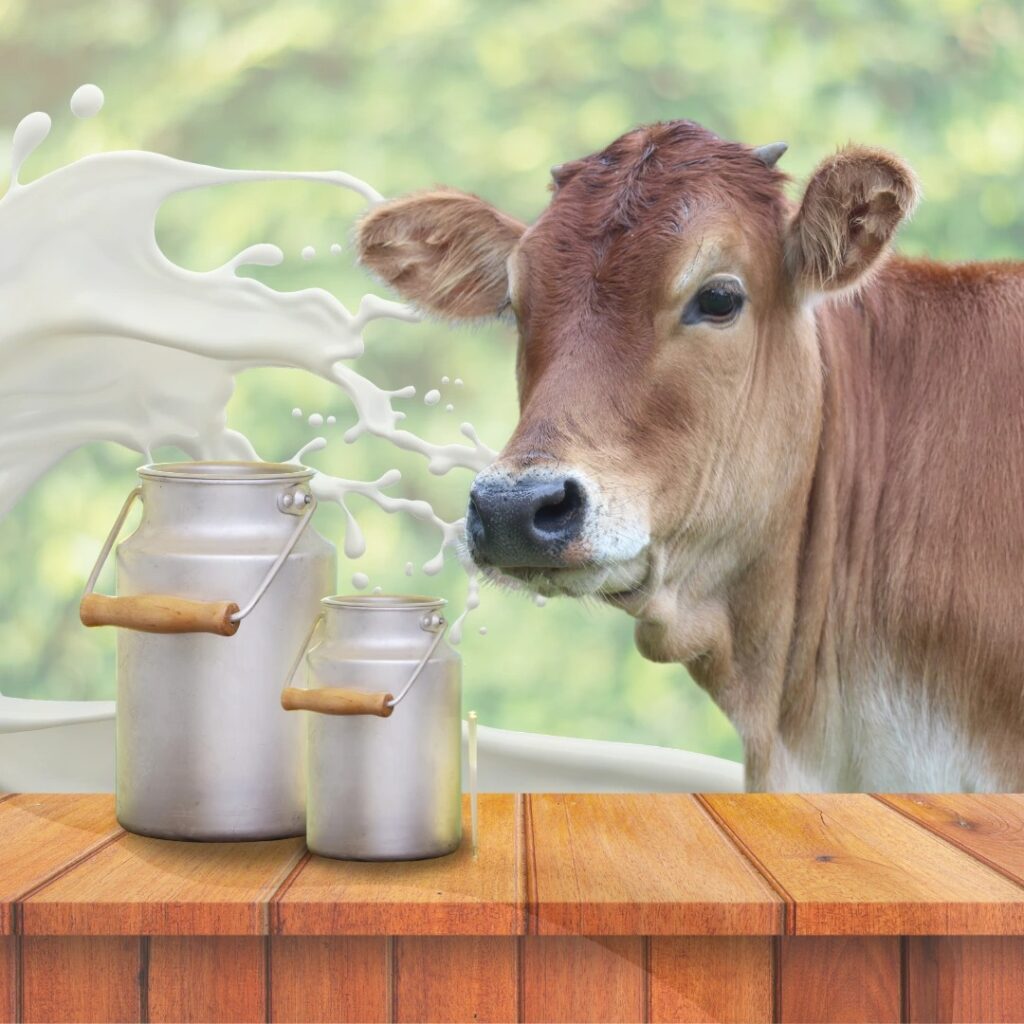
Raw milk is milk that comes directly from animals such as cows, buffaloes, or goats and has not undergone pasteurization. Pasteurization is a heat treatment process designed to kill harmful bacteria. Since raw milk skips this step, it is often referred to as unpasteurized milk.
Understanding Pasteurized Milk
Pasteurized milk is milk that has been heated to a specific temperature for a set time to destroy harmful microorganisms. This process was developed to reduce the risk of diseases such as tuberculosis, salmonella, and listeria.
Pasteurization does not significantly reduce the nutritional value of milk. It still contains calcium, protein, vitamins, and minerals essential for strong bones and overall health. Because of its safety and longer shelf life, pasteurized milk is widely available and commonly recommended by health experts.
Is Raw Milk Good for You?
- Contains Natural Enzymes and Bacteria: Raw milk is often believed to contain naturally occurring enzymes and beneficial bacteria that may support digestion and gut health.
- Nutrient Content Is Similar to Pasteurized Milk: Raw milk provides proteins, calcium, vitamins, and minerals, but pasteurization does not significantly reduce these nutrients. Nutritional advantages of raw milk over pasteurized milk are often overstated.
- Potential Digestive Comfort for Some People: Some individuals report that raw milk feels easier to digest and causes less discomfort, especially for mild lactose sensitivity. Scientific evidence supporting this claim is limited and not consistent.
- Higher Risk of Harmful Bacteria: Along with beneficial bacteria, raw milk can also contain dangerous pathogens such as Salmonella, E. coli, and Listeria, which may cause serious illness.
- Not Recommended for Vulnerable Groups: Children, pregnant women, elderly individuals, and people with weakened immune systems face a higher risk from consuming unpasteurized milk.
Raw Milk vs Pasteurized Milk: Key Differences
1. Processing Method
- Raw Milk: Not heat-treated; comes directly from the animal and is sold as unpasteurized milk.
- Pasteurized Milk: Heated to a specific temperature to kill harmful bacteria while preserving nutrients.
2. Safety Level
- Raw Milk: Higher risk of containing harmful bacteria such as Salmonella, E. coli, and Listeria; this is why many people ask is raw milk safe.
- Pasteurized Milk: Much safer due to the elimination of disease-causing microorganisms during pasteurization.
3. Nutritional Content
- Raw Milk: Contains natural enzymes and bacteria, but nutrient levels can vary depending on handling and storage.
- Pasteurized Milk: Retains essential nutrients like calcium, protein, and vitamins with minimal loss.
4. Shelf Life
- Raw Milk: Short shelf life and spoils quickly if not stored properly.
- Pasteurized Milk: Longer shelf life under refrigeration, making it more convenient for regular use.
5. Taste and Texture
- Raw Milk: Often described as creamier and richer in taste.
- Pasteurized Milk: Consistent taste and texture across batches.
6. Health Risk for Vulnerable Groups
- Raw Milk: Not recommended for children, pregnant women, elderly people, or those with weak immunity.
- Pasteurized Milk: Generally safe for all age groups when stored and consumed correctly.
Also Read : Pasteurization Explained: Definition, Types, Working Process & Uses
Difference Between Raw Milk vs Pasteurized Milk
| Basis | Raw Milk | Pasteurized Milk |
|---|---|---|
| Processing | Not heat-treated; sold as unpasteurized milk | Heated to kill harmful bacteria |
| Safety | Higher risk of bacteria; people often ask is raw milk safe | Safer for regular consumption |
| Shelf Life | Short shelf life; spoils quickly | Longer shelf life under refrigeration |
| Nutritional Stability | Nutrients may vary depending on handling | Nutrients remain consistent and stable |
| Health Recommendation | Not advised for children, pregnant women, or elderly | Recommended for all age groups |
Why Choose 99 Business Vyapar Industries?
99 Business Vyapar Industries stands out as a trusted partner for buyers and businesses alike, especially when it comes to quality products and honest service. Here’s why choosing them makes good sense:
- Reliable Quality: We consistently offer products that meet standard safety and quality benchmarks, ensuring you get dependable items every time.
- Customer-Centric Support: Our team cares about your needs — they listen, understand your requirements, and help you make informed decisions rather than just selling products.
- Wide Range of Solutions: Whether it’s dairy equipment, food industry supplies, or other business essentials, 99 Business Vyapar Industries brings variety and value under one roof.
- Expert Guidance: With experience in the marketplace, they provide useful insights about products — helping customers understand benefits, usage, and safety aspects.
- Responsive and Trustworthy Service: Communication and timely support are key strengths — they aim to ensure satisfaction before, during, and after delivery.
Choosing between raw and pasteurized milk is a personal decision, but it should always be an informed one. Understanding your health condition, access to clean and controlled dairy sources, and proper storage methods is essential. 99 Business Vyapar Industries aim to offer guidance and solutions that help consumers make better food choices. Whether it’s awareness, supply support, or industry insights, their focus remains on balancing quality with safety.