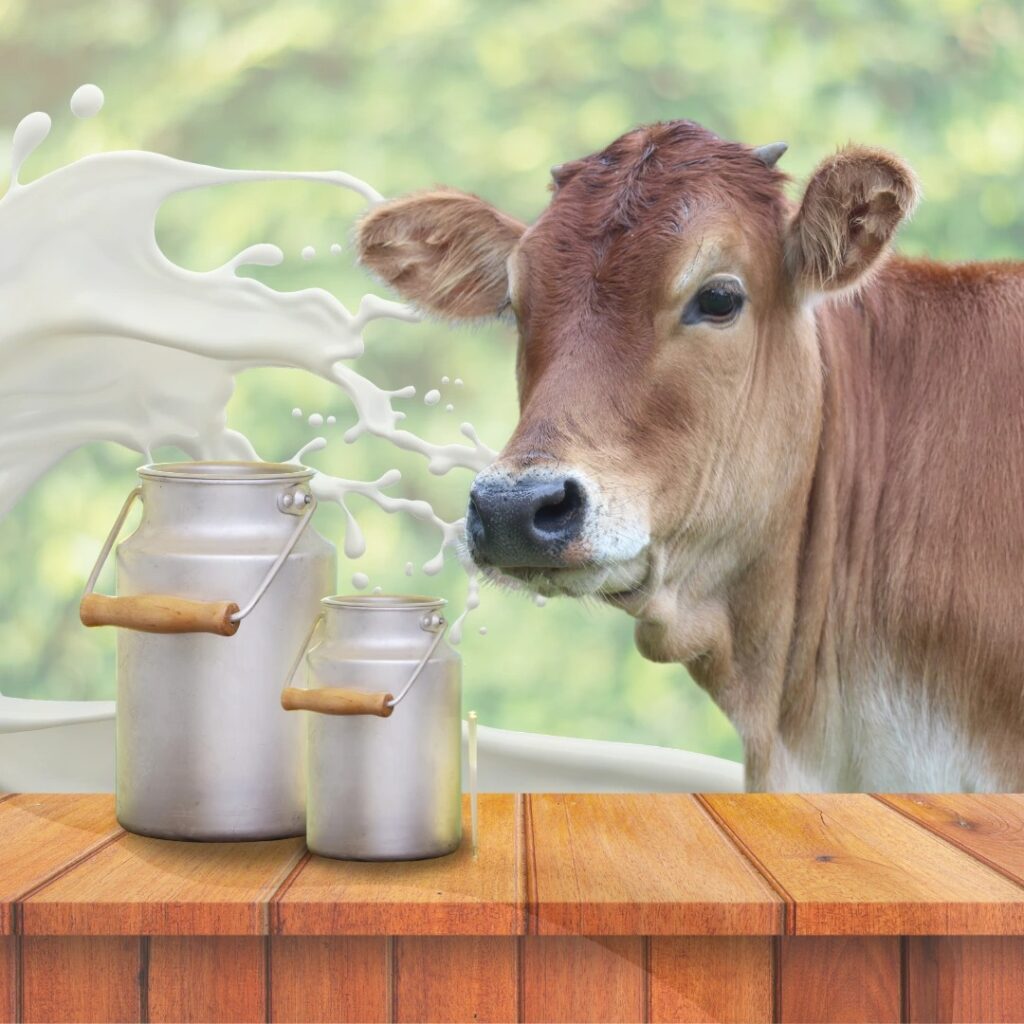
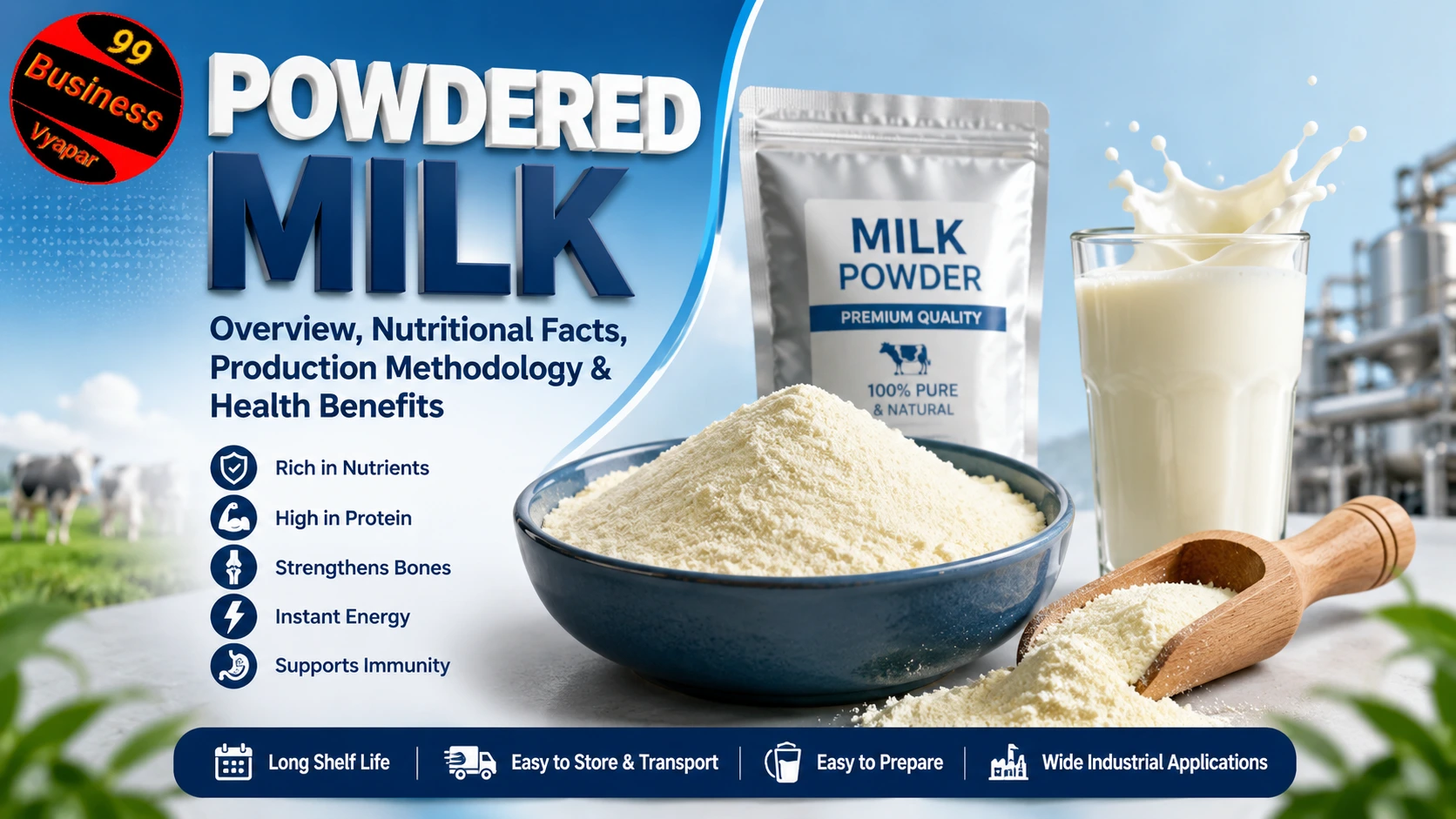
Milk is among the earliest and most nutritious of all food items that have been consumed by humans. However, the limited shelf life of milk has been a major hurdle in homes, food production factories, and the dairy industry itself. In order to address this issue, the dairy industry came up with a new solution called powdered milk. Currently, powdered milk is not only an alternative to liquid milk but also a very important food ingredient in the manufacturing of processed foods, bakery products, candies, baby foods, sports drinks, and emergency foods.
At 99 Business Vyapar Industries, we understand that knowledge about food processing technologies is very useful for making informed choices. If you are a dairy businessman, food processor, baker, or just a health-conscious individual, then you will find it beneficial to learn more about powdered milk.
For those searching for milk powder uses, uses of milk powder, milk powder nutritional value per 100g, milk powder protein per 100g, milk powder calories, calories in milk powder, or if you are wondering if milk powder is good for health, this article will help you to answer all these queries with professional clarity.
Contrary to popular belief, powdered milk is not an artificially made substance. It is pure milk with most of its water content removed through modern drying techniques. The outcome is a nutritious powder consisting of all essential nutrients such as proteins, minerals, and vitamins, with added benefit of increased shelf life as compared to fresh milk.
The current-day significance of powdered milk in the dairy industry is immense. In villages and food processing units across the globe, the role of powdered milk is crucial in ensuring that high-quality milk is always available round the year without being affected by the changing seasons.
What is Powdered Milk?
Powdered milk, also known as dried milk or milk powder, is a dairy product made by removing almost all the moisture from fresh milk through controlled evaporation and spray drying processes. This significantly extends the shelf life of milk without requiring refrigeration before opening.
The primary objective of converting liquid milk into powder is to make it easier to store, transport, and use in different food applications while preserving its nutritional quality.
Modern powdered milk is produced under strict quality standards to ensure it maintains the natural taste, aroma, and nutritional benefits of fresh milk.
Depending on its intended use, powdered milk is available in several varieties, including:
- Whole Milk Powder
- Skimmed Milk Powder
- Instant Milk Powder
- Dairy Whitener
- Fortified Milk Powder
- Infant Milk Powder
- High-Protein Milk Powder
Each type is designed to meet specific consumer and industrial requirements.
Why is Powdered Milk So Popular?
The demand for powdered milk continues to grow worldwide because it offers several practical advantages over fresh milk.
Some of the main reasons include:
- Long shelf life
- Easy transportation
- Reduced storage costs
- Convenient packaging
- Excellent nutritional value
- Suitable for food manufacturing
- Less product wastage
- Availability throughout the year
These advantages make powdered milk one of the most valuable dairy products in the modern food industry.
Production Methodology of Powdered Milk
Many people consume milk powder every day but do not know how it is manufactured. The production process combines modern dairy engineering with strict hygiene standards to produce safe and nutritious powdered milk.
Collection of Fresh Milk
The process begins with collecting fresh, high-quality milk from dairy farms. The milk is tested for purity, fat content, acidity, bacterial count, and overall quality before processing.
Only milk that meets industry standards moves to the next stage.
Filtration and Standardization
The collected milk is filtered to remove impurities.
Its fat content is then adjusted according to the final product requirements. For example:
- Whole milk powder retains higher fat.
- Skimmed milk powder contains very little fat.
Pasteurization
The milk is pasteurized at a controlled temperature to destroy harmful microorganisms while preserving its nutritional properties.
This step ensures product safety.
Evaporation
The pasteurized milk enters a vacuum evaporator where approximately 50–60% of the water content is removed.
This creates concentrated milk.
Spray Drying
The concentrated milk is sprayed into a chamber containing hot filtered air.
Tiny milk droplets instantly lose their remaining moisture and transform into fine milk powder.
This is the most important stage of powdered milk production.
Cooling
Freshly produced milk powder is cooled carefully to prevent moisture absorption.
Packaging
Finally, the powder is packed inside moisture-proof containers or laminated bags under hygienic conditions to maintain freshness.
Nutritional Facts of Powdered Milk
One of the biggest reasons behind the popularity of powdered milk is its impressive nutritional profile.
Although values vary slightly by manufacturer, the following table represents the typical milk powder nutritional value per 100g.
| Nutrient | Approximate Value (Per 100g) |
|---|---|
| Energy | 490–520 kcal |
| Protein | 24–27 g |
| Fat | 26–28 g (Whole Milk Powder) |
| Carbohydrates | 37–40 g |
| Calcium | 850–1000 mg |
| Potassium | 1100–1400 mg |
| Phosphorus | 700–800 mg |
| Vitamin A | Present |
| Vitamin D | Present (Fortified Products) |
| Moisture | Below 5% |
From the table above, it is easy to understand why searches for milk powder nutritional value per 100g and milk powder protein per 100g are so common. Powdered milk is an excellent source of protein, calcium, and energy, making it a valuable addition to many diets.
Milk Powder Protein Per 100g
Protein is one of the most important nutrients in powdered milk.
On average, milk powder protein per 100g ranges between 24 and 27 grams, depending on the type of milk powder and the manufacturing process.
Protein supports:
- Muscle growth
- Tissue repair
- Immune function
- Healthy bones
- Hormone production
- Overall body development
Because of its high protein content, milk powder is widely used in sports nutrition, bakery products, confectionery, and nutritional supplements.
Milk Powder Calories
People often search for milk powder calories or calories in milk powder before including it in their diet.
Generally:
- Calories in milk powder (per 100g): Approximately 490–520 kcal
- One serving prepared according to the manufacturer’s instructions contains significantly fewer calories because it is diluted with water.
The calorie content depends on:
- Fat percentage
- Milk type
- Brand
- Fortification
When consumed in recommended quantities as part of a balanced diet, powdered milk provides a valuable source of energy.
Is Milk Powder Good for Health?
One of the most frequently asked questions is whether milk powder is good for health.
The answer is yes, when consumed in moderation as part of a balanced diet.
High-quality powdered milk contains many of the same nutrients found in fresh milk, including protein, calcium, phosphorus, and essential vitamins. It supports healthy bones, muscle development, and overall nutrition while offering the convenience of longer storage and easy preparation.
However, as with any food product, it should be consumed according to individual dietary needs and the manufacturer’s serving recommendations.
Common Milk Powder Uses
The popularity of powdered milk continues to grow because of its versatility. There are countless milk powder uses across households and industries.
Some of the most common uses of milk powder include:
- Preparing drinking milk by mixing with water.
- Baking cakes, cookies, and pastries.
- Manufacturing chocolates and confectionery.
- Producing ice cream and frozen desserts.
- Making yogurt and dairy beverages.
- Infant nutrition products.
- Sports nutrition and protein supplements.
- Tea, coffee, and dairy whiteners.
- Instant food mixes.
- Emergency food supplies and disaster relief.
These wide-ranging uses of milk powder demonstrate why it remains one of the most valuable dairy ingredients worldwide.
Health Benefits of Powdered Milk
Powdered milk is much more than a convenient substitute for fresh milk. It is a nutrient-rich dairy product that supports overall health when consumed as part of a balanced diet. Since it retains most of the essential nutrients found in fresh milk, it offers numerous health advantages for people of all age groups.
Supports Strong Bones and Teeth
One of the biggest benefits of powdered milk is its high calcium content. Calcium plays a vital role in developing and maintaining strong bones and healthy teeth. Regular consumption helps reduce the risk of weak bones and supports proper skeletal development in children and adults.
Excellent Source of Protein
When people search for milk powder protein per 100g, they are usually looking for foods that support muscle development. Powdered milk contains a significant amount of high-quality protein, which helps repair body tissues, build muscles, and maintain overall physical strength.
Provides Long-Lasting Energy
The milk powder calories come from a balanced combination of proteins, carbohydrates, and fats. These nutrients provide sustained energy, making powdered milk a suitable choice for active individuals, growing children, and working professionals.
Supports Healthy Growth
Children require adequate nutrients for physical and mental development. Powdered milk supplies protein, calcium, phosphorus, vitamins, and essential minerals that contribute to healthy growth and development.
Helps Maintain Overall Nutrition
For individuals who have limited access to fresh milk, powdered milk serves as an excellent nutritional alternative. It offers many of the same nutrients while providing a much longer shelf life.
Convenient During Emergencies
Because powdered milk can be stored for extended periods without refrigeration (before opening), it is widely used during emergencies, disaster relief operations, and military food supplies.
Industrial Applications of Powdered Milk
The demand for powdered milk extends far beyond household consumption. It has become one of the most important raw materials in the global food processing industry.
Some major industrial milk uses include:
- Dairy processing plants
- Bakery and confectionery industries
- Chocolate manufacturing
- Ice cream production
- Yogurt manufacturing
- Infant nutrition products
- Protein supplements
- Health drinks
- Instant beverage mixes
- Ready-to-eat food manufacturing
- Hotel and restaurant industries
- Pharmaceutical and nutritional formulations
Because powdered milk is easy to transport and store, it has become a preferred ingredient for manufacturers worldwide.
Proper Storage Guidelines for Powdered Milk
Proper storage is essential to maintain the quality and nutritional value of powdered milk.
Follow these simple guidelines:
- Store in a cool and dry place.
- Keep away from direct sunlight.
- Always close the container tightly after use.
- Use a dry spoon to prevent moisture contamination.
- Avoid exposure to humidity.
- Transfer opened powder into an airtight container if necessary.
- Follow the manufacturer’s recommended shelf life.
Once prepared with water, powdered milk should be refrigerated and consumed within the recommended time.
Powdered Milk vs Fresh Milk
Many consumers wonder whether powdered milk can replace fresh milk. Both products have their own advantages depending on the intended use.
| Feature | Powdered Milk | Fresh Milk |
|---|---|---|
| Shelf Life | Long | Short |
| Refrigeration Before Opening | Not Required | Required |
| Transportation | Easy | More Difficult |
| Storage Cost | Low | Higher |
| Convenience | High | Moderate |
| Nutritional Value | Similar (when properly processed) | Excellent |
| Industrial Applications | Extensive | Limited |
| Availability | Year-Round | Depends on Supply |
Both products are nutritious, but powdered milk offers greater convenience for storage, transportation, and commercial food production.
Advantages of Powdered Milk
The growing popularity of powdered milk is due to its numerous practical benefits.
Some major advantages include:
- Long shelf life compared to fresh milk.
- Easy to transport over long distances.
- Convenient storage without refrigeration before opening.
- Rich source of protein and calcium.
- Suitable for home and industrial applications.
- Reduces milk wastage.
- Available throughout the year.
- Easy to prepare by simply mixing with water.
- Useful in baking, cooking, and food manufacturing.
- Cost-effective for large-scale food production.
These benefits explain why uses of milk powder continue to expand across multiple industries.
Limitations of Powdered Milk
Although powdered milk offers many advantages, understanding its limitations helps consumers make informed choices.
Some considerations include:
- The taste may differ slightly from fresh milk.
- Prepared milk should be consumed within the recommended period.
- Improper storage may cause moisture absorption and spoilage.
- Nutritional composition may vary depending on the manufacturer and product type.
- Some fortified products contain additional vitamins and minerals, while others do not.
When stored and used correctly, powdered milk remains a safe and nutritious dairy product.
How to Choose High-Quality Powdered Milk
Selecting the right powdered milk ensures better nutrition and product quality.
Before purchasing, consider the following:
- Check the manufacturing and expiry dates.
- Choose products from reputable dairy brands.
- Read the ingredient list carefully.
- Verify the protein and calcium content.
- Select the appropriate type (Whole, Skimmed, Instant, or Fortified).
- Ensure the packaging is completely sealed.
- Avoid products with damaged or swollen packaging.
These simple checks help ensure you receive safe and high-quality powdered milk.
Why Choose 99 Business Vyapar Industries?
At 99 Business Vyapar Industries, we aim to connect businesses with quality manufacturers, suppliers, exporters and industrial solutions providers based in India. However, it is not only about being a business directory but a trustworthy source of information where buyers, entrepreneurs and other members of different industries can find reliable information on quality products, discover the details on the company as well as learn important information from our research-based articles.
Our goal is to provide businessmen with credible information that will assist them in making proper choices in order to encourage innovation, development and high-quality of products across a variety of industries. In case you are looking for dairy equipment, packaging machines, elevators, food processing machines, material handling equipment, waste management machinery or any other type of industrial automation systems – at 99 Business Vyapar Industries, you can find reliable partners for cooperation.
Why Businesses Trust Us
- Trusted platform featuring leading manufacturers, suppliers, exporters, and industrial brands from across India.
- Comprehensive business directory covering multiple industries under one platform.
- Informative, well-researched blogs and buying guides created to educate buyers and industry professionals.
- Detailed product information including features, applications, specifications, and benefits.
- Regularly updated content reflecting the latest industrial technologies, market trends, and innovations.
- User-friendly platform that saves time by helping businesses find reliable suppliers quickly.
- SEO-optimized, human-friendly content focused on delivering genuine value rather than promotional information.
- Supports manufacturers by improving their online visibility and connecting them with potential customers.
- Helps buyers compare products and understand technical details before investing.
- Dedicated to promoting quality, transparency, innovation, and long-term business relationships.
Conclusion
Powdered milk is one of the most important inventions in the dairy industry today, providing the perfect combination of nutrition, convenience, and longevity. Be it for home consumption, baking, cooking, milk processing units, or the food manufacturing industries, its flexibility makes it an extremely important dairy product.
Knowledge on milk powder uses, uses of milk powder, milk powder nutritional value per 100g, milk powder protein per 100g, milk powder calories, and calories in milk powder can help consumers to make wise dietary decisions. Similarly, awareness that milk powder is good for health when consumed as a part of a healthy diet proves its importance as a great source of protein, calcium, vitamins, and minerals.
At 99 Business Vyapar Industries, we strive to deliver relevant industry insights through informative and educational content related to modern dairy products and food processing technologies. As the need for convenience and healthy dairy products increases, powdered milk continues to be a trusted option for households and industries alike.
Frequently Asked Questions
What are the most common milk powder uses?
Some of the most common milk powder uses include preparing drinking milk, baking, confectionery, ice cream production, yogurt manufacturing, tea and coffee, infant nutrition, sports supplements, and food processing industries.
What is the milk powder nutritional value per 100g?
The typical milk powder nutritional value per 100g includes approximately 490–520 kcal, 24–27 grams of protein, healthy fats, carbohydrates, calcium, phosphorus, potassium, and essential vitamins. Actual values may vary slightly depending on the brand and product type.
Is milk powder good for health?
Yes. Milk powder is good for health when consumed in recommended quantities as part of a balanced diet. It provides high-quality protein, calcium, vitamins, and minerals that support bone health, muscle development, and overall nutrition.
How much protein is present in milk powder per 100g?
On average, milk powder protein per 100g ranges between 24 and 27 grams, depending on whether it is whole milk powder or skimmed milk powder and the manufacturer’s formulation.
How many calories are there in milk powder?
The milk powder calories generally range from 490 to 520 kcal per 100g. The exact calories in milk powder depend on its fat content and product formulation. When mixed with water according to the manufacturer’s instructions, the calorie content per serving is significantly lower.